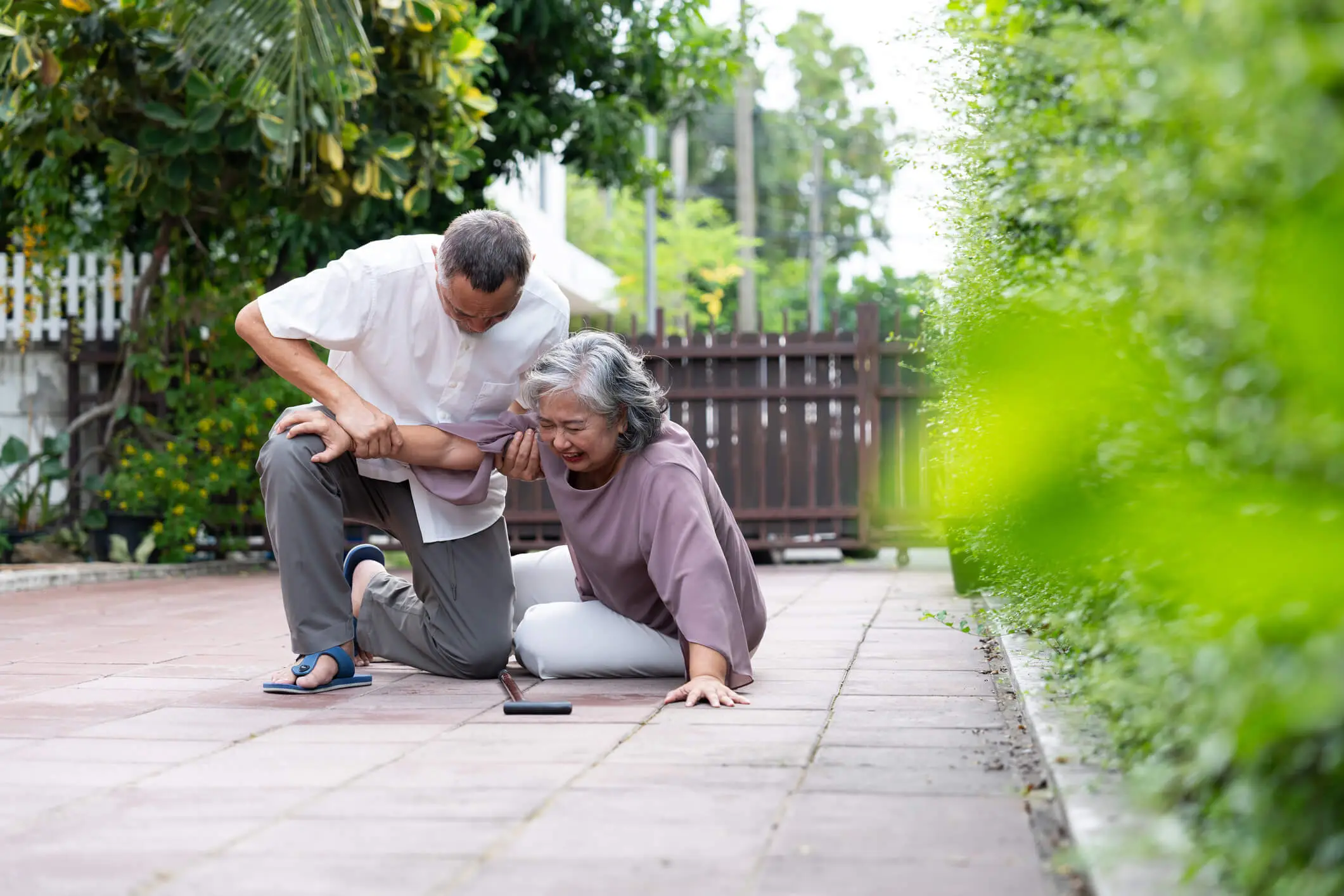
Falls are among the most common causes of injury for older adults living in nursing homes. While aging naturally affects balance, strength, and coordination, many fall-related incidents can be reduced through thoughtful planning and consistent care. Rather than relying on a single prevention strategy, successful nursing homes create a culture where safety becomes part of Every daily activity and every staff member shares responsibility for protecting residents.
A strong culture of safety encourages proactive decision-making, continuous communication, and a commitment to improving care before accidents occur.
Making Safety A Daily Priority
Fall prevention should not begin only after a resident experiences an injury. Instead, it should be integrated into everyday routines from the moment an individual is admitted to the facility.
Caregivers should regularly evaluate each resident’s mobility, medical history, vision, medication use, and physical limitations. These ongoing assessments help identify changing needs and allow care plans to evolve as residents’ health conditions change over time.
Encouraging Teamwide Responsibility
Creating a safe environment requires cooperation from every department within a nursing home. Nurses, nursing assistants, rehabilitation therapists, housekeeping staff, dietary personnel, maintenance workers, and administrators all contribute to resident safety.
For example, housekeeping staff helps keep floors clean and dry, maintenance teams repair uneven flooring or faulty handrails, while nurses monitor changes in physical condition. When everyone recognizes their role in fall prevention, risks are identified more quickly and addressed before injuries occur.
Designing Safer Living Spaces
Fall prevention is directly impacted by the physical surroundings. Well-designed nursing homes minimize hazards while making movement easier for residents with limited mobility.
Clear walking paths, secure handrails, non-slip flooring, adequate lighting, properly adjusted beds, and easily accessible call buttons all contribute to a safer setting. Regular environmental inspections help identify potential hazards before they place residents at unnecessary risk.
Promoting Safe Mobility
Maintaining mobility is important for preserving independence, but it must be balanced with appropriate support. Residents should receive assistance that matches their individual abilities rather than applying the same approach to everyone.
Some individuals benefit from walkers or canes, while others require transfer assistance or supervised walking programs. Exercises that assist residents in maintaining as much independence as possible while enhancing strength, flexibility, and balance might be suggested by physical and occupational therapists.
Reviewing Medications Regularly
Certain medications may contribute to dizziness, drowsiness, reduced alertness, or changes in blood pressure that increase fall risk. Because many nursing home residents take multiple prescriptions, regular medication reviews are an important part of injury prevention.
Physicians and pharmacists can work together to identify medications that may require adjustments while ensuring residents continue receiving appropriate treatment for their medical conditions.
Learning From Every Fall
Even with comprehensive prevention efforts, falls may still occur. When they do, each incident provides an opportunity to strengthen future safety practices.
Rather than simply documenting the event, caregivers should investigate contributing factors such as environmental conditions, recent medication changes, mobility limitations, or communication gaps. Identifying root causes helps facilities improve procedures and reduce the likelihood of similar incidents affecting other residents.
Building Trust With Families
Families play an important role in maintaining resident safety. Open communication allows caregivers to learn about previous falls, mobility concerns, and behavioral changes that may influence future risk.
Providing regular updates regarding fall prevention strategies helps families remain informed while encouraging collaborative decision-making. This partnership creates additional support for residents both inside and outside scheduled care routines.
When preventable falls occur because accepted standards of care were not followed, Nursing Home Injury Law Group may help families better understand their legal rights and evaluate whether negligence contributed to the injury.
Continuous Education Strengthens Safety
Safety is not achieved through one-time training sessions. Nursing homes should provide ongoing education that keeps employees informed about updated clinical practices, safe transfer techniques, proper equipment use, and communication procedures.
Regular training reinforces accountability while ensuring staff remain prepared to respond effectively as resident needs evolve. Continuous learning supports consistency across every shift and every department.
Conclusion
Everyone participating in nursing home care must be committed to creating a culture of safety. Through individualized assessments, safe facility design, coordinated teamwork, medication reviews, continuous education, and meaningful family involvement, the danger of falls can be considerably decreased in nursing homes. A proactive approach benefits both residents and caregivers by creating an environment where safety is treated as an ongoing responsibility rather than a reaction to accidents. When prevention becomes part of the facility’s daily culture, residents enjoy greater confidence, improved well-being, and a higher quality of life.