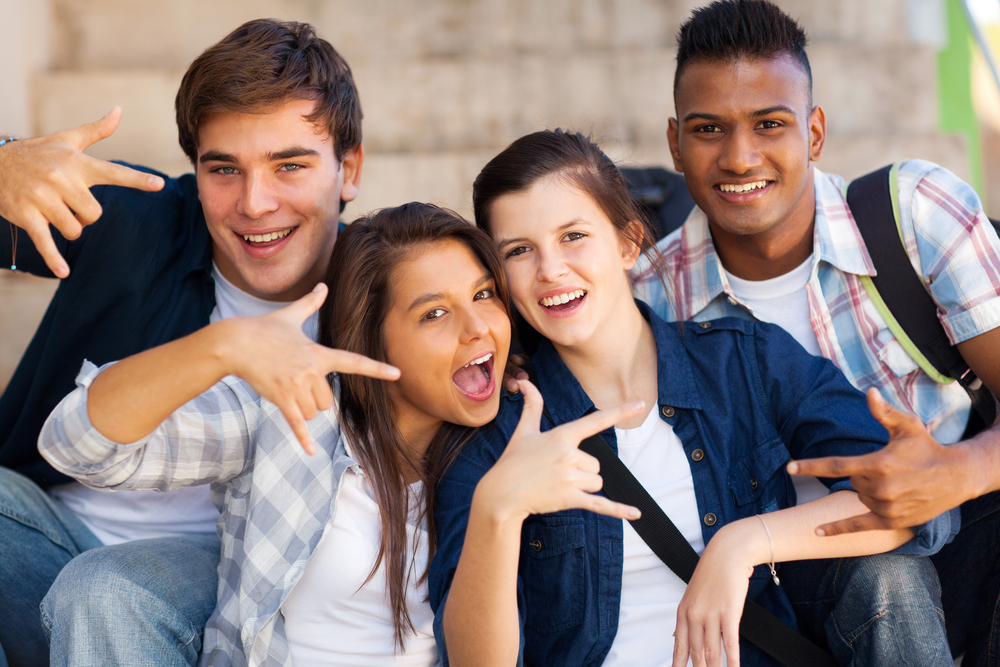
Adolescence is a stage of life marked by exploration, identity building, and social development. During this period, friendships become increasingly important and often shape how teenagers think, behave, and make decisions. While positive friendships can support emotional growth and healthy habits, peer groups can also influence risky behaviors. Understanding the role of friend groups in teenage risk-taking behavior helps parents, educators, and communities support teenagers in making safer and more responsible choices.
Why Peer Relationships Become So Important in Adolescence
As teenagers grow older, they begin to seek independence from their families and rely more on their peers for social support and acceptance. Friendships provide a sense of belonging, shared identity, and emotional understanding. Teenagers often look to their friends for validation, guidance, and reassurance When navigating new experiences.
Because peer acceptance becomes so important during this stage of life, many teenagers are willing to adjust their behavior to align with the expectations of their friend group. This desire to fit in can influence everything from fashion choices and hobbies to attitudes about school, relationships, and risk-taking behaviors.
How Social Influence Shapes Decision Making
Teenagers are still developing the cognitive skills required for long-term planning and impulse control. At the same time, their brains are highly responsive to social feedback. This combination makes adolescents particularly sensitive to peer influence.
When teenagers observe friends engaging in risky activities, such as experimenting with substances or breaking rules, they may feel pressure to participate in order to maintain their place within the group. Even when the pressure is not explicit, subtle signals from peers can strongly affect decision-making. Researchers often emphasize that Group Dynamics Predict Substance Choices, meaning the structure, attitudes, and behaviors within a friend group can significantly influence whether teenagers choose to experiment with substances or avoid them.
The Power of Group Norms
Every friend group develops its own set of norms, or shared expectations about acceptable behavior. These norms can either encourage healthy lifestyles or increase the likelihood of risky actions. For example, a group that values academic achievement, sports participation, or creative activities may discourage behaviors that could interfere with those goals.
On the other hand, groups that normalize rule-breaking or substance experimentation can create an environment where risk-taking feels acceptable or even expected. Teenagers often observe how their peers respond to certain behaviors and use those reactions to guide their own actions. Positive reinforcement from friends can make risky behavior seem less serious and more socially rewarding.
Positive Peer Influence and Protective Friendships
While peer influence can contribute to risky behaviors, it is important to recognize that friend groups can also play a protective role. Teenagers who surround themselves with supportive peers who prioritize health, responsibility, and respect for boundaries are less likely to engage in harmful activities.
Friends can encourage one another to focus on personal goals, participate in positive social activities, and seek help when facing challenges. In many cases, a strong and supportive friendship network helps teenagers build confidence and resist pressure to participate in behaviors that conflict with their values.
The Role of Communication and Awareness
Teenagers need to understand how social impact works, and parents and teachers can help them a lot. Teenagers and young adults can figure out when they are being influenced in ways that might not be in line with their own goals by having open talks about peer pressure, group expectations, and making choices.
Teenagers can make better decisions when they are taught to think about events on their own and the long-term effects of their actions. Getting people to join organized activities like sports teams, community groups, or artistic programs can also help them make friends with people who share their interests.
Supporting Healthy Social Environments
Communities can support teenagers by creating environments that promote healthy friendships and positive role models. Schools, youth programs, and family support systems all contribute to shaping the social environments where teenagers develop their relationships.
By understanding the influence of peer groups and recognizing how Group Dynamics Predict Substance Choices, adults can better guide teenagers toward supportive friendships and responsible decision-making. Encouraging awareness, communication, and positive peer connections helps young people navigate adolescence with greater confidence and resilience.